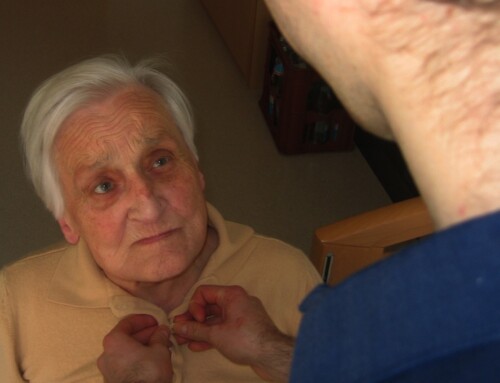


Moving a senior loved one into an assisted living community is a big step—one filled with both emotion and logistics. While most communities provide the basics like furniture, utilities, and housekeeping, making the space truly feel like home requires personal touches and thoughtful planning.
A well-prepared apartment can improve your loved one’s comfort, safety, and emotional well-being.
Familiar and Sentimental Items: When seniors move into a new space, they often feel disoriented. That’s why familiar items are essential – such as favorite framed photos of family and friends, artwork or décor from their home, or a well-loved chair. These familiar items not only provide comfort but can help with memory and orientation—especially for those in the early stages of dementia.
Easy-to-Use Technology: Today’s technology can greatly enhance quality of life for seniors, provided it’s user-friendly. Some helpful devices to consider include voice-activated assistants for music, reminders, and communication; large-button phones or tablets for staying connected with family; digital photo frames that rotate through family pictures; and medical alert systems or wearable emergency buttons. Remember: When setting up technology, ensure it is simple to operate and has large, clear interfaces.
Comfortable, Accessible Furniture: Assisted living apartments typically come with standard furnishings, but adding or replacing pieces can improve comfort and mobility. You may wish to include high-seated chairs with sturdy arms to make sitting and standing easier and bedside tables with easy-access drawers and built-in lighting. A small recliner or reading chair for relaxation is also useful, but avoid low, plush furniture that’s difficult to get out of. Be sure there’s enough space to move around freely—even with a walker or wheelchair.
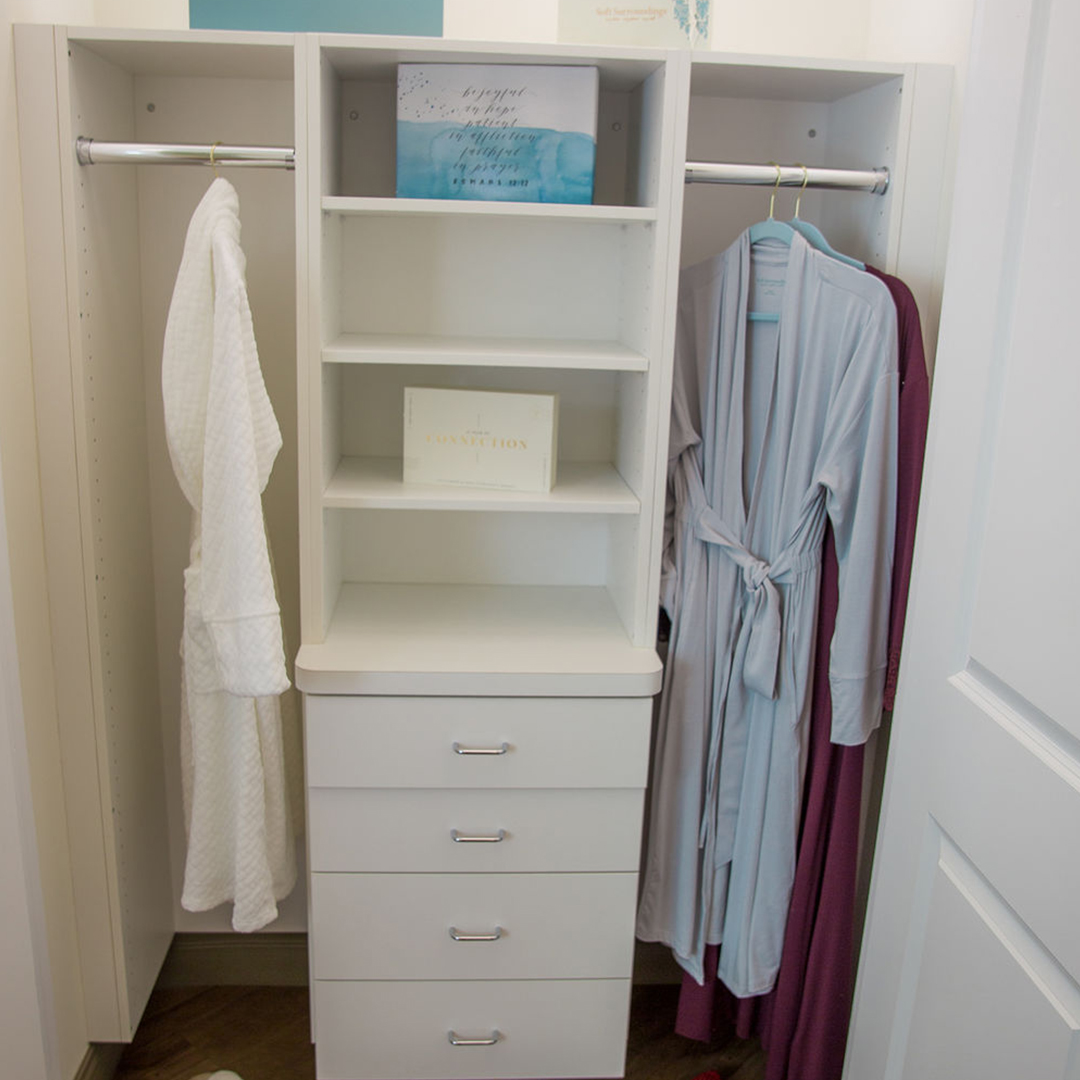
Organized Storage and Labeling: Keeping things organized isn’t just about cleanliness—it’s a safety and cognitive support measure. Use clear storage bins or labeled drawers for clothing and personal care items or simple closet organizers that reduce clutter and confusion. Daily-use items should be stored at waist level to minimize bending or reaching. If your loved one has memory challenges, large-print labels or photo labels on drawers and cabinets can be helpful.
Soft, Non-Slip Rugs and Safe Flooring: While you want the apartment to feel cozy, it’s critical to reduce fall risks. Some flooring and décor tips include using low-pile, non-slip rugs with gripped undersides (or no rugs at all). Avoid rugs with curled edges or fringe and ensure bathmats have rubber backing and lay flat. Keep walkways clear of wires, clutter, or slippery surfaces. Consider adding a rubber mat inside the shower and a shower bench for added safety.
Lighting and Visual Aids: Proper lighting can make a big difference in both safety and comfort. Enhance visibility with motion-sensor night lights in hallways and bathrooms, reading lamps with adjustable brightness and magnifying glasses or large-print clocks for better visibility. Natural light is also important—consider light window treatments that allow sunshine without harsh glare.
Creating a Comfortable and Familiar Apartment Environment
While assisted living communities offer professional support, it’s the personal touches that make a space feel like home.
Before move-in day, take time to walk through the space and plan where each item will go. Involve your loved one in decisions when possible — giving them a sense of control can ease the transition and boost emotional well-being.
By including these six essentials, you’re not just furnishing an apartment—you’re building a space where your loved one can feel secure, supported, and most importantly, at home.
A Banyan Residence has two Florida communities providing a comprehensive continuum of care. From assisted living to memory care, we strive to create a fulfilling and engaging environment where our residents can thrive. Call today to tour our Venice location or our community in The Villages.
Need respite care? We can help.