Maintaining physical mobility and mental acuity is important at any age – but it can be increasingly challenging as we age. While traditional therapies like medication, physical therapy, and cognitive exercises play a critical role, recent studies and growing anecdotal evidence suggest that music and dance can also offer surprising and meaningful benefits for the brain and body.
More than just recreational activities, music and dance may hold powerful potential to support both motor skills and cognitive function in seniors — including those experiencing age-related decline or early stages of dementia.
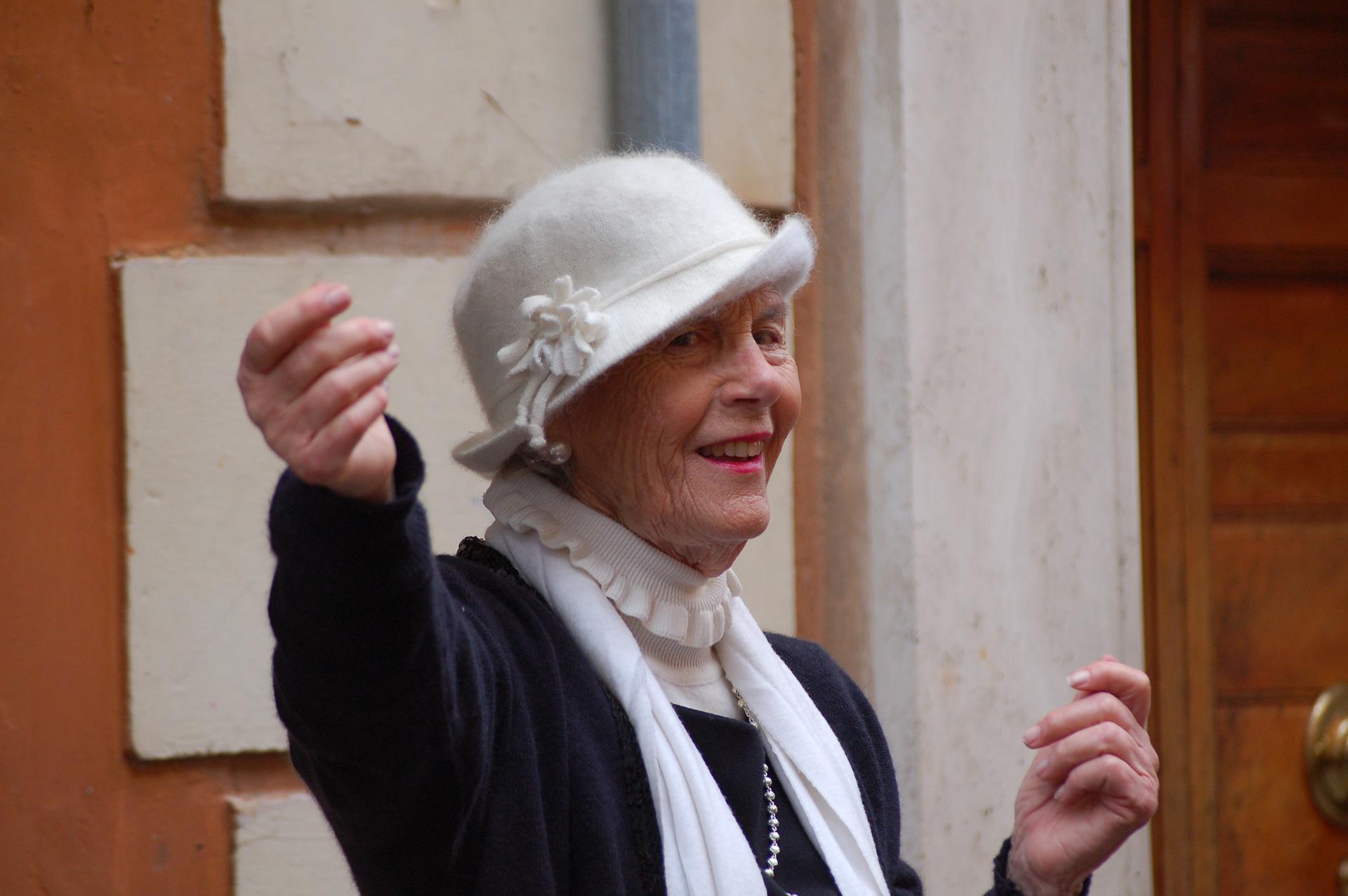
Music and dance are deeply embedded in human culture and history, and for good reason. They engage multiple parts of the brain at once — auditory, motor, emotional, and even memory centers. For seniors, this kind of full-brain stimulation can be incredibly valuable.
Music alone can activate neural networks that remain preserved even in individuals with Alzheimer’s or other forms of dementia. It can trigger memories, evoke emotions, and improve mood. When paired with dancing or rhythmic movement, music becomes a powerful tool for maintaining or even improving brain function.
How Dance Supports Motor Skills
One of the most common physical effects of aging is a decline in balance and flexibility. Any form of dance, including gentle seated routines, encourages seniors to move their bodies in a coordinated way. This enhances proprioception (awareness of body position), strengthens muscles, and improves balance — all of which reduce the risk of falls.
For example, a 2021 study published in Frontiers in Human Neuroscience found that older adults who participated in regular dance classes showed improvements in gait, balance, and postural control compared to non-dancers. Unlike static exercises, dance requires continuous adaptation to rhythm, space, and sometimes a partner, which keeps the motor system flexible and responsive.
Brain Benefits of Music and Dance
Cognitive decline in seniors can manifest as slower thinking, memory lapses, or difficulty concentrating. Engaging in music and dance helps counter these changes through mental stimulation and pattern recognition. Learning choreography, following rhythm, or recalling the steps of a favorite routine challenges the brain in beneficial ways.
Studies have shown that dancing regularly is associated with a lower risk of developing dementia. A widely cited 21-year study published in the New England Journal of Medicine found that among all physical activities studied, dance had the strongest association with reduced risk of dementia, even more than walking, biking, or playing golf.
Music therapy alone has also been shown to improve mood and communication in seniors with Alzheimer’s disease. It can help reduce agitation, increase social interaction, and improve quality of life. For those with Parkinson’s disease, rhythmic music can even support smoother, more coordinated movements — a technique known as rhythmic auditory stimulation (RAS).
Social and Emotional Impact
Music and dance offer emotional and social benefits that are just as important to seniors. Group dance classes or music collaborations can combat loneliness and isolation. The connection and shared experience, is key to boosting overall well-being.
Mood elevation is another key outcome. Music can reduce anxiety and depression, especially when it includes familiar songs from a person’s past. Dancing also releases endorphins, the body’s natural “feel good” chemicals, helping seniors stay motivated and more engaged in daily life.
When it comes to facing aging with grace, sometimes the most joyful practices are also the most powerful. Music and dance aren’t just enjoyable — they’re therapeutic. As more research confirms their positive impact on both brain and body, these creative therapies are gaining traction as valuable tools in senior care.
A Banyan Residence in The Villages is dedicated to cultivating a senior living experience that is meaningful and fulfilling. If you’d like to learn more, call us for a tour today.