Moving a loved one into an assisted living or memory care community is one of the most difficult—and most loving—decisions a family can make. These communities are designed to provide comfort, safety, and support, but even in the best facilities, some residents struggle to adjust. Your loved one may be well cared for physically, yet still feel lonely or anxious. It’s essential to recognize the subtle signs that they may not be thriving and know when—and how—to intervene.
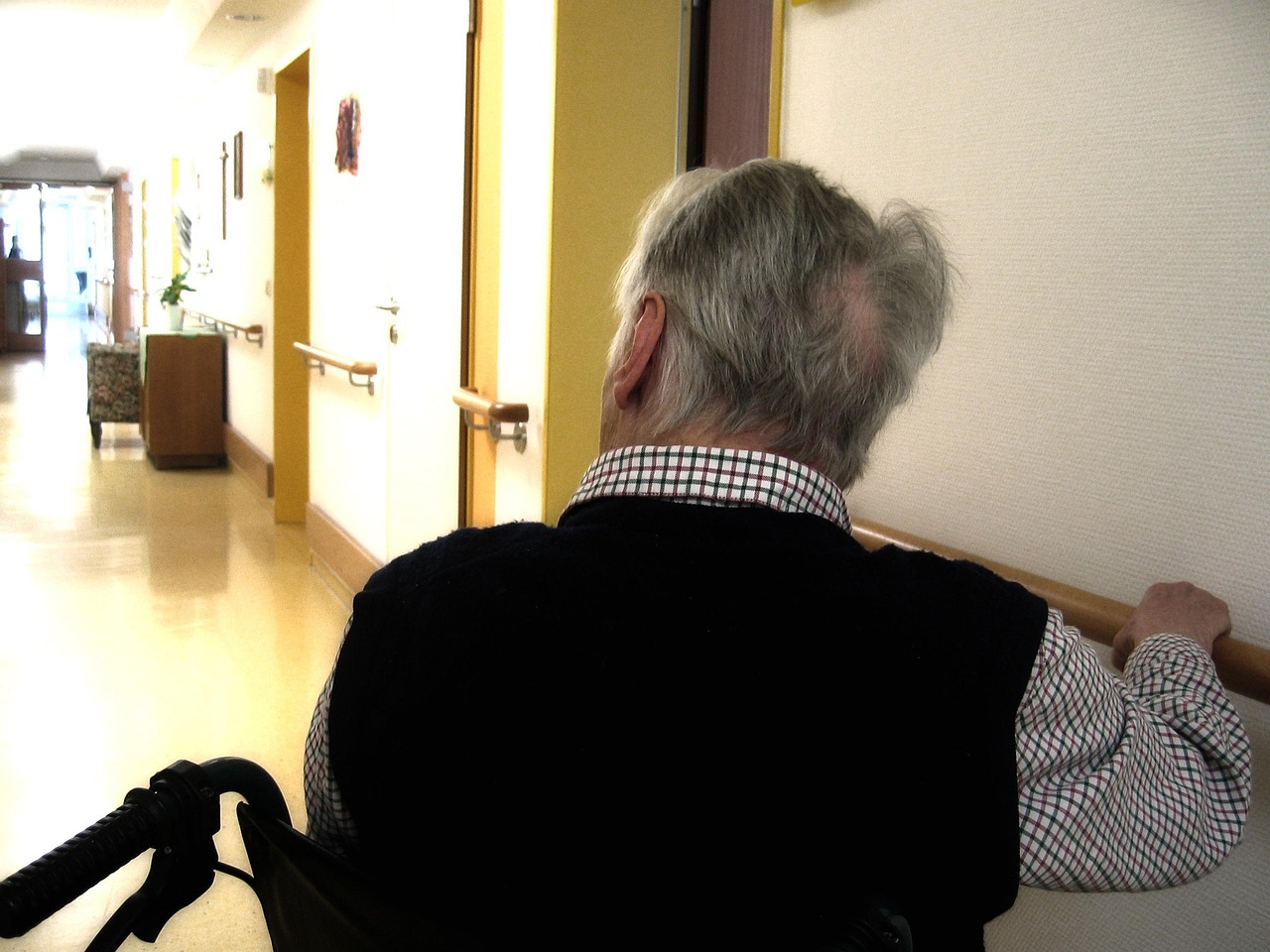
Recognizing When Something Isn’t Right
Transitioning into assisted living or memory care takes time, and some bumps along the way are normal. But if weeks or months have passed and your loved one still seems withdrawn or unhappy, it may be time to take a closer look.
Emotional changes: Your loved one may seem unusually sad or irritable. They may also seem disinterested in activities they once enjoyed.
Physical decline: Noticeable weight loss, dehydration, or changes in personal hygiene could signal that they’re not eating well or participating in daily routines.
Cognitive changes: Increased confusion or agitation may indicate that their emotional or environmental needs are not being met.
Social withdrawal: Your family member may stop interacting with peers or skip group activities – preferring to stay isolated in their room.
Verbal cues: Phrases like “I don’t belong here” or “No one visits me” can reveal deeper emotional distress.
These signs do not necessarily indicate neglect— in fact, there could be many psychological or physical explanations. Still, these changes in behavior should not be ignored.
The Importance of Communication
The most effective way to ensure your loved one is truly thriving is through consistent, open communication with the facility’s staff. Assisted living and memory care teams want residents to succeed, and families play an essential role in that success.
Here are some steps to build a positive, collaborative relationship:
Schedule regular check-ins: Ask to meet with the administrators or activities director to discuss your loved one’s progress. Request updates on their participation, mood, and social engagement.
Keep communication friendly, not confrontational: The facility staff should be considered partners – not adversaries. Express appreciation for their work while clearly and respectfully voicing concerns.
Ask specific questions: Instead of “How is Mom doing?” ask “Has Mom been attending any group activities?” or “Has she been eating her meals in the dining room?” Specific questions yield more useful answers.
Share personal insights: You know your loved one’s personality, habits, and triggers better than anyone. Let staff know what comforts them, their hobbies, and what calms them during moments of confusion or frustration.
Stay visible: Frequent visits—at different times of day—allow you to observe routines and interactions firsthand. It also reassures your loved one that they’re not alone.
Helping Your Loved One Adjust and Thrive
You can also take proactive steps to help your loved one feel more at home:
Cultivate familiarity: Decorate their room with personal items—family photos, favorite blankets, or familiar music. Familiarity can reduce anxiety and spark conversation.
Encourage engagement: Attend an activity with them, or arrange for a staff member to invite them personally to join in. Many residents participate more readily when they feel personally included.
Be patient: Adjusting to communal living takes time. Offer encouragement and acknowledge their feelings instead of pressuring them to adapt quickly.
Monitor progress: Keep notes after visits and share patterns you notice with staff—both improvements and ongoing concerns.
When to Escalate Concerns
If you’ve tried open communication and your loved one’s well-being still seems to decline, it may be time to take further action. Request a care plan meeting with the facility administrator or director of nursing. Ask about adjusting care routines or exploring whether a different environment might better suit their needs.
In cases where neglect or mistreatment is suspected, contact the Florida Long-Term Care Ombudsman Program.
Your Role Matters in Helping Your Loved One Thrive
Even the most compassionate assisted living or memory care team can’t replace the love and insight of family. Staying involved, asking questions, and maintaining strong communication ensures your loved one doesn’t just live safely—but truly thrives.
Your presence, attention, and advocacy are among the most powerful forms of care you can offer. At A Banyan Residence, we welcome the participation and input of our residents’ families. If you are seeking professional, compassionate care for your loved one, we invite you to schedule a tour of our Venice or Ocala area communities.