As the people we care about age, staying motivated and engaged can make a world of difference in their emotional, mental, and physical well-being. Aging often comes with new challenges—changes in routine, reduced mobility, health concerns, or feelings of isolation—but a little intentional support from family and friends can help them remain active participants in life. This blog will discuss five simple yet impactful ways to help your senior loved one stay inspired as they age.
Encourage Meaningful Social Connections: Humans thrive on connection at every stage of life – and this becomes even more important for older adults who may experience shrinking social circles. Staying socially active can reduce loneliness and improve cognitive function.
Families can help their senior loved one by encouraging regular interaction – regular phone calls or coffee dates can make a big difference. Help them join a club or senior center where they can meet peers who share similar interests. Even small social rituals—like greeting a neighbor or waving at kids coming home from school—can bring purpose to their day.
Promote Hobbies and New Interests: One of the most effective ways to stay motivated is to have something to look forward to. Encourage your loved one to revisit favorite hobbies or try something new. This could be anything from gardening, painting, or crafting to puzzles, reading, cooking, or playing an instrument.
New skills stimulate the brain, keeping it active and resilient. In order to keep from feeling overwhelmed, seniors should start small. Perhaps they can attend a local workshop, watch online tutorials, or spend just fifteen minutes a day exploring an interest. If mobility is a concern, look for seated or low-impact activities like chair yoga or bird-watching from the porch.
Create a Simple, Enjoyable Daily Routine: A predictable routine provides structure, helping seniors feel more in control of their day. Families can help to build an appropriate schedule that includes physical activity, mental stimulation, social time, and rest.
Mornings might include a walk or stretching, while afternoons could involve listening to music or working on a hobby. For someone who feels anxious or unmotivated, breaking tasks into small steps helps them feel accomplished (without feeling overwhelmed.) Importantly, the routine should leave room for spontaneity and personal preference.
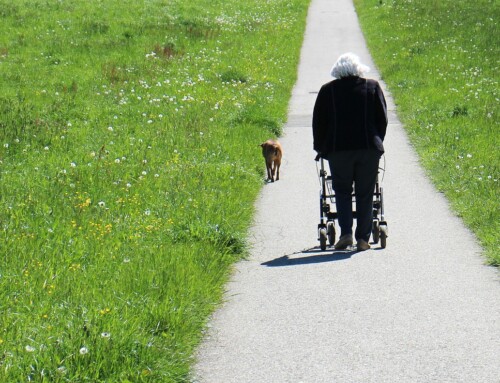
Support Physical Activity at Any Level: Movement is a key ingredient for healthy aging. Regular physical activity helps maintain mobility, improves mood, enhances sleep, and supports cognitive function. But staying active doesn’t need to involve intense workouts. Focus on what feels accessible and safe for your loved one.
This might include daily walks, stretching, light household tasks, tai chi, water aerobics, or physical therapy exercises. Celebrate progress, no matter how small – and ensure activities are appropriate for their abilities and health conditions.
Celebrate Achievements and Encourage Purpose: Everyone, regardless of age, needs to feel appreciated. Families can recognize strengths and celebrate achievements—whether they completed a project, reached a fitness goal, or simply kept a positive attitude during a tough week. You can also encourage your senior loved one to pursue roles that provide a sense of purpose, such as mentoring grandchildren or volunteering. Feeling needed helps boost emotional and cognitive health.
Supporting an aging loved one’s motivation doesn’t require grand gestures—just consistent, compassionate attention.
Call for a Tour for Your Senior Loved One Today
At A Banyan Residence, we are committed to the well-being of each one of our residents. If you are looking for a compassionate and professional community for your loved one, we invite you to visit one of our two FLorida locations. Our qualified staff is here to answer any questions that you may have.