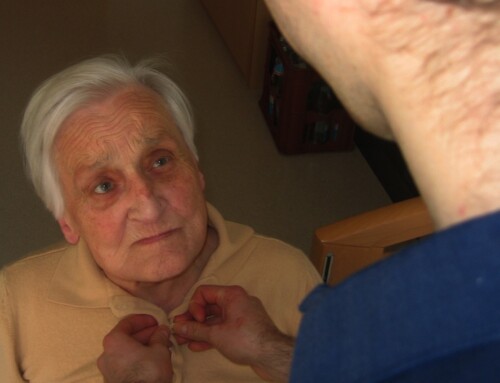


As our loved ones age, certain behaviors may begin to raise red flags. The question becomes: are these signs of normal aging, or indications that it’s time to consider assisted living or memory care? This article is the first of two that will explore which signs may indicate that it is time to look for professional care – first for assisted living and subsequently, when memory care may be warranted. We will also discuss the advantages of utilizing the advice and assessment of the professionals at these facilities. Often, family members are too close to the situation to honestly evaluate their senior loved one’s needs. Seeking the advice of professional caregivers who help seniors every day is a great way to have confidence on your decisions.
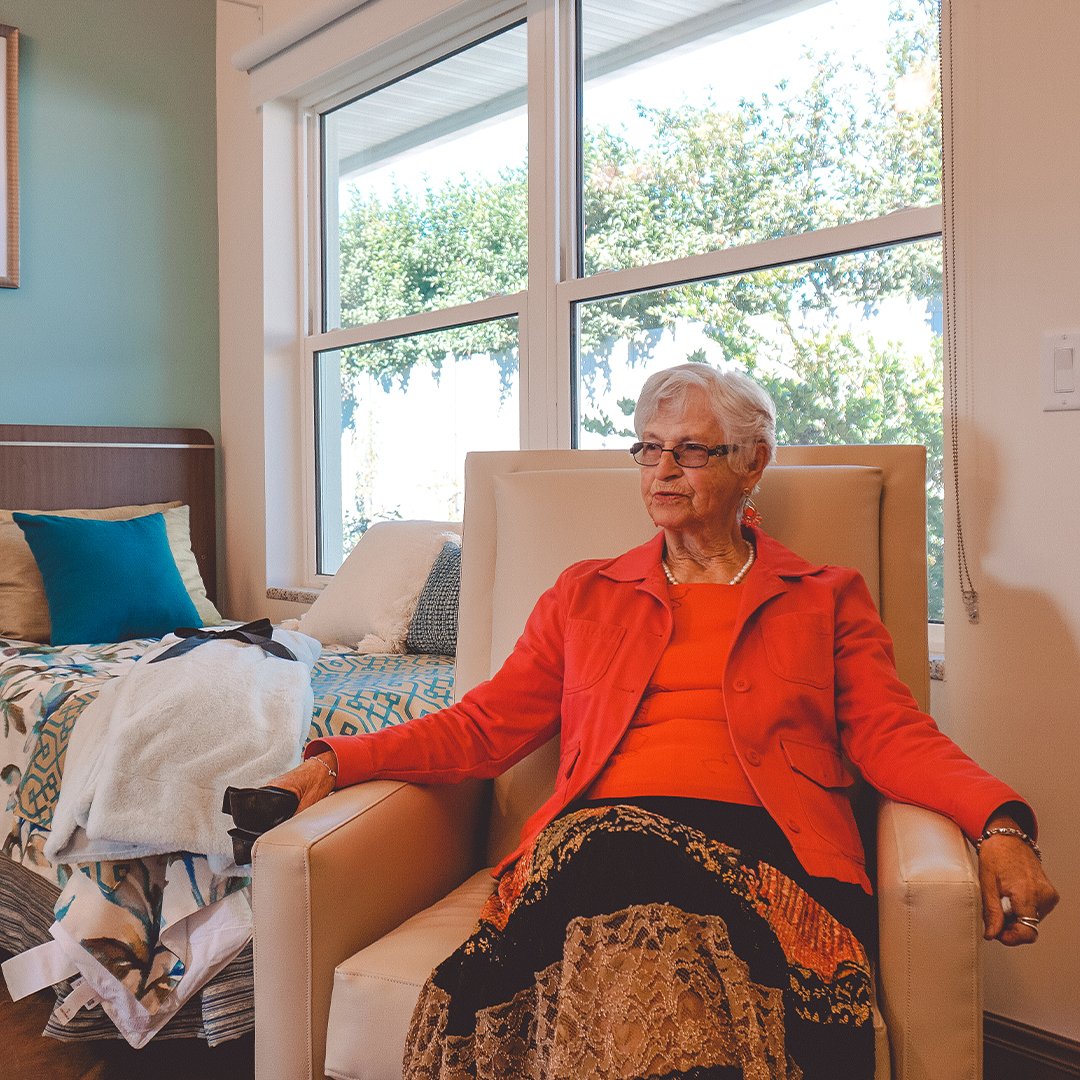
Let’s begin looking at the signs that assisted living is a good option for your family member. In general, assisted living is the right choice for seniors who are mostly independent – but need some help with accomplishing daily tasks. Family members should keep an eye out for these key behaviors that may warrant concern.
Difficulty Managing Daily Activities: If your family member struggles with routine tasks such as bathing or cooking, it may be time for assessment regarding additional support. These common challenges are often not caused by cognitive decline – but rather from physical limitations or fatigue. Assisted living provides needed support and assistance while still allowing for appropriate levels of independence.
Noticeable Weight Loss: If your loved one has unexpectedly or suddenly lost weight – or if you are noticing expired food in the fridge – it may be cause for more investigation. Nutrition issues often signal that daily routines have become too much to handle alone, and they may not be preparing food for themselves regularly. Assisted living provides nutritious meals every day and staff onsite to ensure your loved one is eating well.
Isolation or Withdrawal: Seniors who stop attending church, book clubs, or family gatherings may be experiencing loneliness, depression – or a lack of mobility. Assisted living offers built-in opportunities for social engagement and companionship.
Household Neglect: Piles of laundry or cluttered living spaces can indicate that managing a home is becoming too burdensome for your loved one. Assisted living typically provides housekeeping and laundry services to ease those responsibilities.
Concerns About Safety: Have there been frequent falls, burns, or other accidents? If you’re constantly worrying about your loved one, knowing that they are in a supportive, supervised environment should ease your mind.
The Benefits of Professional Assessment
While these signs are important, they don’t tell the whole story. This is where experienced staff at assisted living and memory care communities can help. Through a comprehensive assessment, professionals consider physical health and mobility; cognitive function; medication needs; and lifestyle and social preferences.
By engaging skilled care teams, families can feel confident about choosing the right level of care at the right time.
A Team-Based, Personalized Approach to Assessment and Care
At our Florida-based communities, we take a collaborative approach to senior care. When a family expresses concern, our team steps in to evaluate the whole picture. Sometimes, the right answer is not memory care, but a more tailored assisted living plan—perhaps with medication reminders, transportation, or extra help with daily tasks.
Even if your loved one is showing mild forgetfulness, it may not be time for memory care. Many seniors thrive in assisted living settings that provide structure, safety, and social connection.
Looking Ahead with Confidence
Choosing assisted living doesn’t mean giving up independence—it means ensuring your loved one receives the right support to live life to the fullest. And with the guidance of compassionate professionals, you can make this decision with clarity, not fear.
A Banyan Residence is proud to offer two senior living communities in Florida, both supporting a continuum of care that includes assisted living, memory care and respite services.