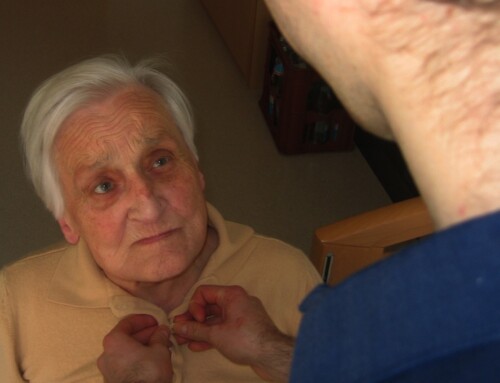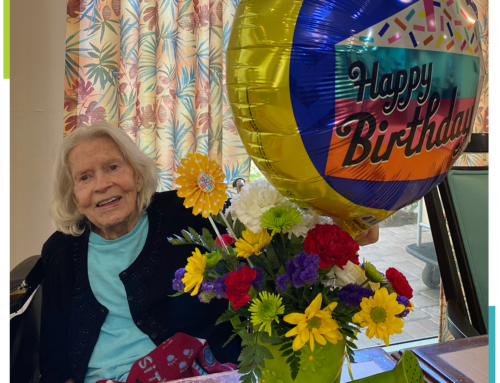


If you care for a senior loved one with dementia, you’ve likely heard the same question or story more times than you can count. It may happen within minutes, or over and over throughout the day. While repetition can be one of the most challenging symptoms for families, it’s also one of the most common—and one of the clearest signals that your loved one needs comfort and reassurance. With the holiday season approaching, when families gather and routines shift, understanding how to respond with patience and compassion can make all the difference in creating a warm, supportive environment.

Repetition occurs because dementia impairs the brain’s ability to form and recall new memories. Your loved one might ask, “What time are we leaving?” or retell a childhood story, and moments later, the information simply slips away. It’s not intentional, and it’s not meant to frustrate anyone. For them, each question or story feels new. The more you understand this, the easier it becomes to respond with empathy rather than correction.
One of the most important things you can do is answer calmly, even if you’ve already responded several times. Phrases like “I already told you” or “You keep asking that” can make your loved one feel embarrassed or anxious—emotions that can actually increase repetition. Instead, try to respond as though you’re hearing the question for the first time. A gentle tone goes a long way toward helping them feel safe. If you find yourself reaching your limit, it’s okay to take a short break or ask another family member to step in.
Simple, reassuring answers tend to work best. Lengthy explanations can be confusing, but short responses delivered with compassion can soothe the uncertainty driving the repeated question. Many families also find it helpful to use external reminders. A whiteboard with daily plans, a calendar showing upcoming events, or a note in a visible place repeating an important detail can help reduce anxiety while giving your loved one a sense of control.
When it comes to repeated stories, the goal isn’t to correct or point out that it’s the fifth time you’ve heard it that day. Instead, listening, commenting, or allowing the story to run its course can help your loved one feel validated. Often, these stories offer a peek into memories that still feel vivid to them. When redirection is needed, it works best when it flows naturally—perhaps by steering the conversation toward a photo album, a familiar activity, or something comforting that still anchors them emotionally.
As the holidays approach, families often come together—bringing joy, but also changes in routine, increased stimulation, and a mix of unfamiliar faces. These factors can heighten repetition. Before gatherings, it helps to prepare family members by explaining that repeated questions and stories are part of the condition. Encourage patience, gentle interactions, and understanding. Creating a quiet space where your loved one can take breaks can prevent overstimulation, and keeping certain routines intact adds a sense of predictability.
Most importantly, remember that your loved one may forget conversations or events, but they will never forget how you made them feel. Your tone, your patience, and your kindness linger far longer than any specific detail. This holiday season, when everyone is under the same roof, let compassion lead the way. It is one of the greatest gifts you can give—not only to your loved one with dementia, but to the entire family as you navigate this journey together.
A Banyan Residence provides compassionate, professional memory care to residents in the Ocala and Venice regions. Call today to learn more and schedule a tour.