


When a loved one needs additional support, families are often faced with an important question: Is assisted living enough, or is memory care the better option? While both provide housing, meals, and daily assistance, memory care and assisted living are designed for very different needs. Understanding how the levels of care differ can help families make a confident, informed decision.
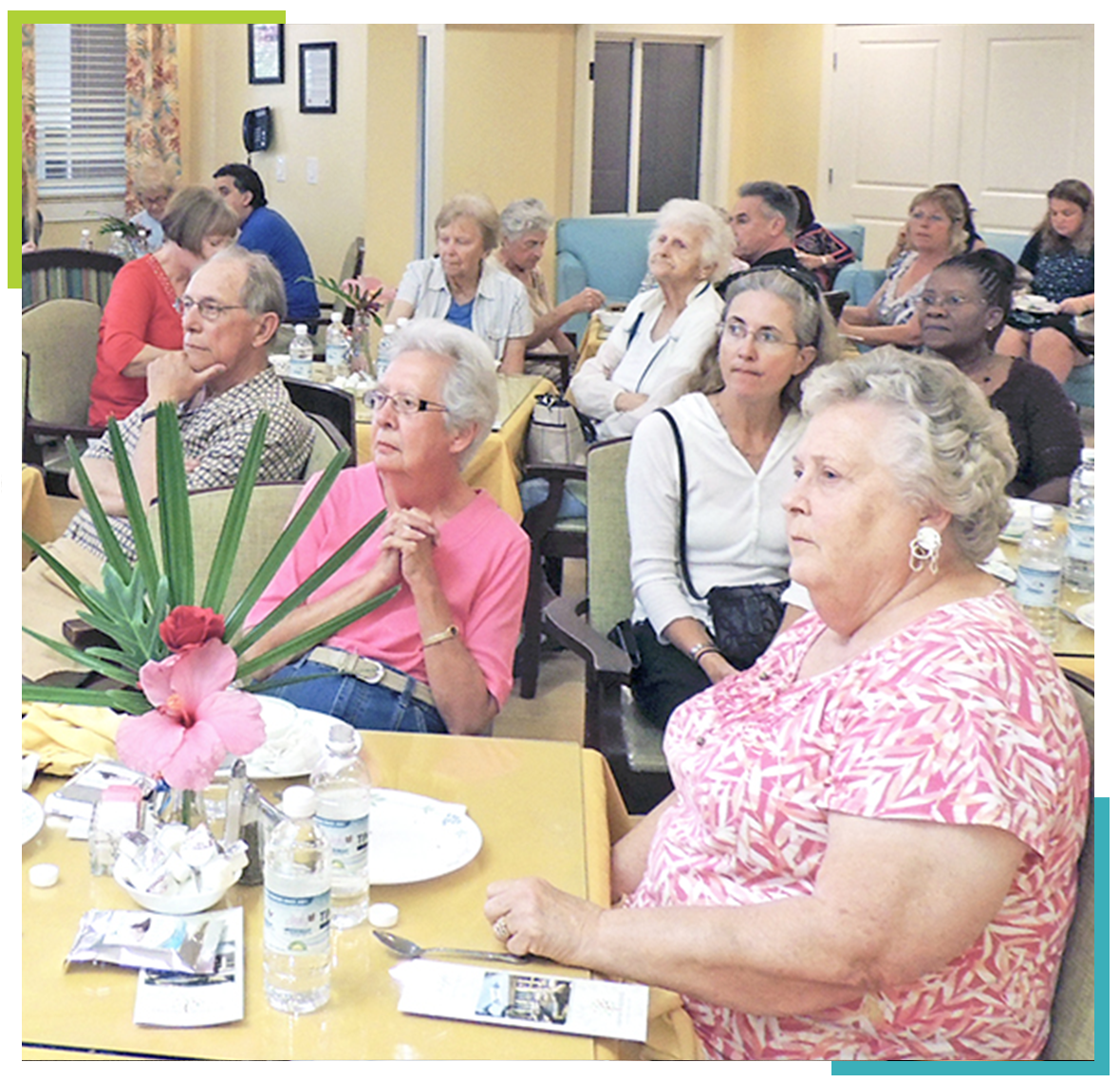
Different Levels of Care: Assisted living is designed for older adults who need help with daily activities such as bathing, dressing, medication reminders, or mobility—but who can still live relatively independently. Residents typically have private apartments, choose their daily activities, and enjoy a social, community-focused lifestyle. Memory care, on the other hand, is specifically designed for individuals living with Alzheimer’s disease or other forms of dementia. These residents require more specialized support, structure, and supervision due to memory loss, confusion, and behavioral changes. Memory care provides a higher level of care tailored to cognitive needs, not just physical ones.
Specialized Training and Staffing: One of the most significant differences between memory care and assisted living is the level of staff training. Assisted living staff are trained to help with daily living tasks, but memory care teams receive additional, specialized training in dementia care. Memory care staff are trained to:
- Communicate effectively with individuals experiencing memory loss
- Respond calmly to confusion or anxiety
- Support behavioral changes with compassion and patience
- Encourage independence while ensuring safety
Memory care communities also typically offer higher staff-to-resident ratios, allowing for more personalized attention and continuous supervision.
Safety and Secure Environments: Safety needs vary greatly between assisted living and memory care. Assisted living communities are meant for those who can navigate their environment safely – and make independent decisions. These design elements help residents feel comfortable and supported while minimizing risks associated with memory loss. Memory care communities feature enhanced safety measures such as:
- Secured entrances and exits to prevent wandering
- Clearly marked pathways and visual cues
- Enclosed outdoor spaces for safe access to fresh air
- Simplified layouts to reduce confusion
Structured Routines and Daily Life: Assisted living residents are free to enjoy a lifestyle of their own choosing – deciding when to eat, socialize, or participate in activities. This independence is ideal for seniors who want to remain autonomous. In contrast, memory care emphasizes structured routines and predictable daily schedules. This consistency helps to reduce anxiety, and confusion. Activities are carefully planned to support cognitive function and provide a sense of familiarity. Music therapy, sensory activities, guided exercise, and reminiscence programs keep residents engaged.
Personalized Care and Communication: While assisted living provides personalized care plans, memory care takes customization even further. Care plans in memory care are designed around each resident’s cognitive stage, life history, preferences, and changing needs. Memory care staff also work closely with families, keeping them informed and supported as their loved one’s condition evolves. Communication is often more frequent, recognizing that dementia affects the entire family – not just the individual.
Cost Differences: Because memory care includes specialized staff and enhanced security, it is typically more expensive than assisted living. However, the additional cost reflects the higher level of care and support provided. For families whose loved ones are experiencing significant memory loss, memory care often offers better long-term value by reducing hospitalizations and preventing accidents.
Understanding the Levels of Care at A Banyan Residence
The choice between assisted living and memory care ultimately depends on a person’s cognitive needs. Assisted living works well for seniors who need physical support but remain cognitively independent. Memory care is the best choice for individuals living with dementia who need specialized care, structure, and a secure environment.
Understanding the differences between levels of care helps families choose a setting where their loved one can feel safe, supported, and truly cared for—today and as their needs change over time. When the time comes for you to make a choice, you can rely on the expertise and guidance of the staff at A Banyan Residence.