For many years, conversations around Alzheimer’s disease and other forms of dementia focused almost entirely on decline— how quickly capabilities may be lost and how families could prepare. While those realities still matter, a meaningful shift is underway in both research and care philosophy. Today, memory care is increasingly centered on supporting function and enhancing quality of life, even in the presence of cognitive change.

A Shift in How We Understand Alzheimer’s
While there is still no cure for Alzheimer’s disease, scientific progress has reshaped how clinicians and caregivers approach it. New medications approved by regulatory agencies can modestly slow disease progression for some individuals, particularly when used in earlier stages. These treatments don’t reverse memory loss, but they may help delay certain changes – giving individuals and families more time to plan and engage meaningfully. At the same time, ongoing research continues to explore therapies that may one day target the underlying biological processes associated with cognitive decline. This growing body of research has brought renewed optimism—and a more nuanced understanding of what living with memory loss can look like.
One of the most important discoveries in recent years is that how someone lives day to day matters. Lifestyle-based interventions—such as physical activity, social connection, structured routines, cognitive stimulation, proper nutrition, and quality sleep—have been shown to support brain health and overall wellbeing. Rather than focusing only on what a person can no longer do, modern memory care emphasizes what can still be supported and strengthened. A resident may not remember every detail of their day, but they can still experience joy and connection.
This perspective changes everything—from activity planning to caregiving approaches.
Supporting Function Through Person-Centered Care
“Supporting function” means meeting individuals where they are, not where they used to be or where we wish they were. In memory care settings, this often includes:
- Structured routines that reduce anxiety and promote familiarity
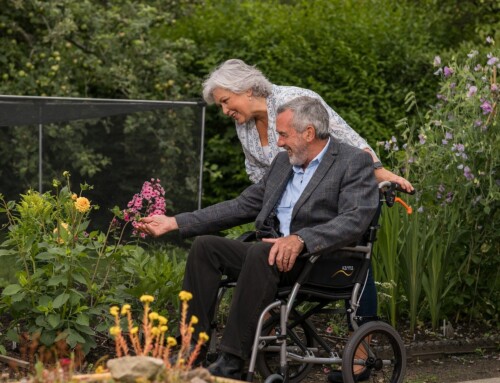
- Meaningful activities that align with lifelong interests and abilities
- Gentle physical movement to support mobility and circulation
- Social engagement to reduce isolation and encourage emotional wellbeing
- Environmental design that promotes safety without limiting dignity
These approaches don’t aim to stop disease progression entirely, but they do help residents remain engaged in life—often with fewer behavioral symptoms.
A More Hopeful Framework for Families
For families, this shift can be empowering. While the diagnosis of cognitive impairment is never easy, understanding that care is no longer limited to “managing decline” opens the door to a more hopeful journey.
Supporting function means celebrating moments of clarity and connection — without denying the challenges that come with memory loss. It also means recognizing that quality of life is not defined solely by memory, but by relationships and routines.
What This Means for Memory Care Communities
Assisted living and memory care communities play a critical role in bringing these advancements to life. By integrating evidence-based care practices and focusing on the whole person—not just the diagnosis—communities can create environments where residents feel supported and valued. As research continues to evolve, so too will care strategies. But the heart of memory care remains constant: compassionate support, meaningful engagement, and dignity at every stage.
A Banyan Residence Provides Compassionate Memory Care
By shifting from a mindset of managing decline to one of supporting function, we create space for hope – even in the face of cognitive change. At A Banyan Residence, we train our staff to recognize the early signs of Alzheimer’s, and to providing the most cutting-edge (yet compassionate) care to our residents.
Disclaimer: This content is provided for informational purposes only and is not intended as medical advice, diagnosis, or treatment. Assisted living and memory care communities do not provide medical services or prescribe medications. Families and individuals should consult qualified healthcare professionals regarding diagnosis, treatment options, and medical decisions related to Alzheimer’s disease or other cognitive conditions.