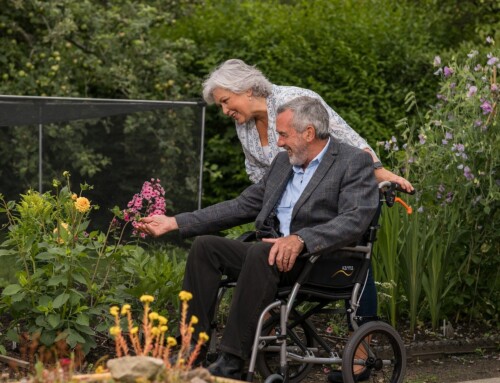


When considering ways to enhance the quality of life for elderly loved ones in assisted living, houseplants may not be the first thing that comes to mind. However, research and firsthand experience both suggest that even a simple plant can make a meaningful difference in the mental, emotional, and even physical well-being of seniors. These humble green companions offer more than just decoration—they can become a source of comfort and joy.
A Natural Mood Booster: One of the most immediate benefits of houseplants is their ability to improve mood. The presence of greenery has been shown to reduce stress and anxiety levels, helping individuals feel more relaxed and content. For seniors who may struggle with feelings of isolation or depression—especially after transitioning to assisted living—having a living, growing thing nearby can offer a surprising amount of comfort. Plants also contribute to a more pleasant environment. Bright flowers or a fresh plant make a room feel more inviting – turning an impersonal space into something that feels more like home.
Encouraging a Sense of Purpose: Caring for a plant (even a low-maintenance one) can give older individuals a renewed sense of responsibility. Many seniors in assisted living settings benefit from having tasks that are manageable and rewarding, and plant care fits that role perfectly. Watering, trimming, or simply checking on a plant’s progress each day can provide routine and structure. For those who spent a lifetime caring for a a family or pets, the process of nurturing can evoke positive memories and feelings of usefulness.
Physical and Cognitive Benefits: Engaging with houseplants can also have physical and cognitive benefits. Pruning or repotting plants can promote fine motor skills and gentle movement, which are essential for seniors aiming to stay active without overexertion. On the cognitive side, remembering plant care routines or learning about a plant’s needs can help stimulate memory and focus. These activities may help slow cognitive decline in seniors experiencing early stages of memory loss or dementia.
Improving Indoor Air Quality: While not all houseplants are efficient air purifiers, some common varieties can filter toxins and clean the air. In assisted living environments, where windows may not be frequently opened and air can be dry or stale, even a few well-placed plants can help improve air quality and overall comfort. Plants such as peace lilies, snake plants, and spider plants are known for their air-purifying abilities and are also low-maintenance—perfect for elderly residents.
Easy and Safe Options: When selecting plants for elderly loved ones in assisted living, it’s important to prioritize safety and simplicity. Here are a few ideal options:
- Snake Plant (Sansevieria) – Tough and nearly indestructible. Requires very little light or water.
- Pothos – Grows easily in a variety of conditions and is tolerant of irregular watering.
- African Violet – Offers colorful blooms and can thrive in small pots on windowsills.
- Spider Plant – Air-purifying and easy to care for; safe and non-toxic.
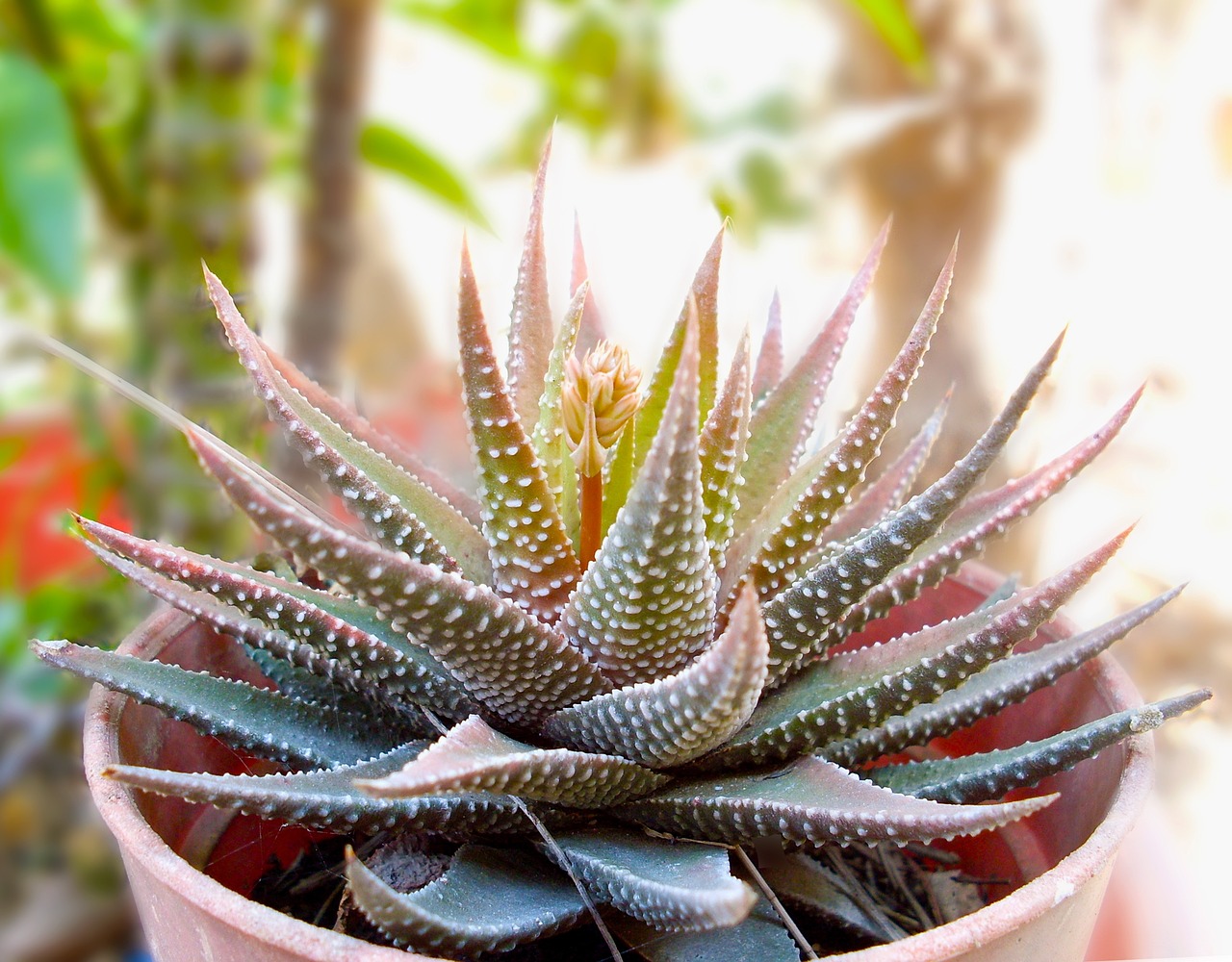
- Succulents – Require minimal water and add a decorative touch.
It’s also essential to check with the assisted living facility regarding their policies on plants – especially when it comes to potential allergens or safety concerns.
Plants Can Make a Beautiful Difference
Adding a few plants to your elderly loved one’s room may seem like a small gesture, but it can have a significant impact. Houseplants can brighten a space while promoting better health. More importantly, they provide an opportunity for seniors to reconnect with nature and feel a sense of responsibility and pride.
If you’re looking for a thoughtful way to enhance your loved one’s assisted living room – consider a simple house plant. Sometimes, the smallest additions can bring the greatest comfort.
A Banyan Residence is a professional assisted living and memory care community with locations in Venice and The Villages, Florida.