

As people age, maintaining independence often becomes a top priority. However, for many older adults, living alone can bring significant challenges—both physically and emotionally. While some may worry that assisted living means giving up their freedom, high-quality assisted living communities can actually offer a better, safer, and more enriching alternative to aging alone.
Here are six excellent reasons to consider assisted living for yourself or a loved one.
- Safety and Health Monitoring: One of the most pressing concerns for seniors living alone is safety. Falls and medication errors are common risks that can go unnoticed when no one is nearby to help. In a quality assisted living facility, trained staff are available around the clock to respond to emergencies and help with daily tasks such as bathing, dressing, or taking medications. Many facilities will also monitor residents’ well-being and coordinate with doctors as needed. This level of support offers peace of mind not only for seniors but also for their families, who may worry about their loved ones being alone during a health crisis.
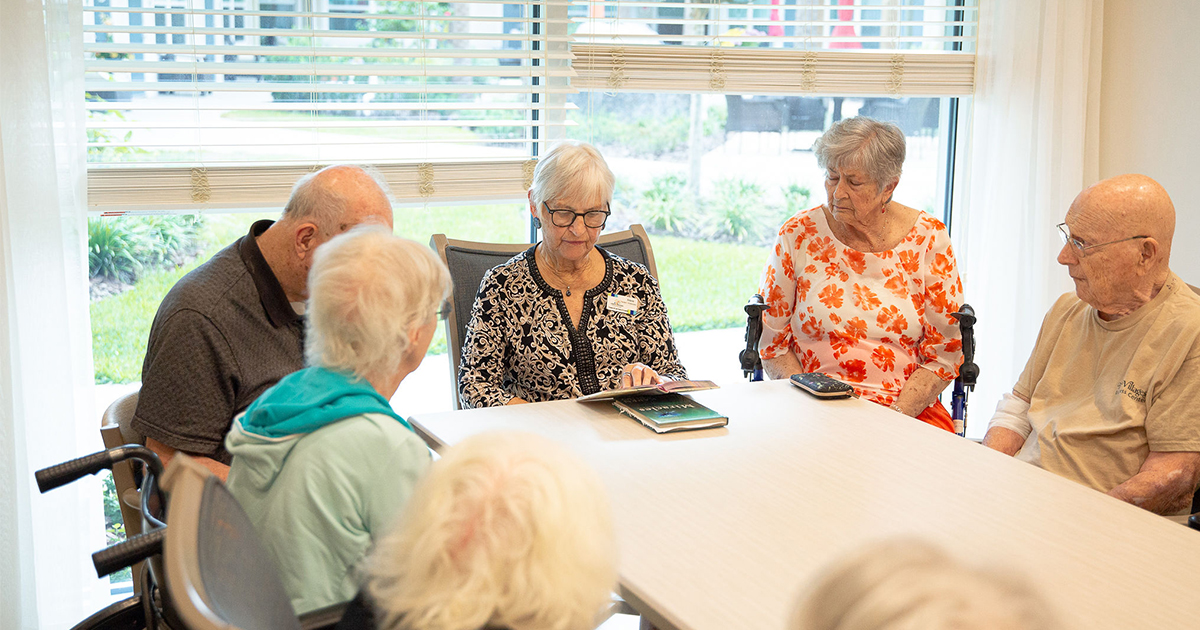
- Social Interaction and Emotional Well-Being: Loneliness and isolation are serious issues for many older adults living alone. Prolonged isolation can lead to depression, cognitive decline, and even physical health problems. In contrast, assisted living communities are designed to foster social engagement and companionship. Residents often enjoy group activities, outings, games, art classes, and shared meals, which naturally encourage interaction and relationship-building. Having peers nearby also reduces the emotional burden of isolation and helps seniors maintain a strong sense of identity and purpose.
- Nutritious Meals and Daily Support: Preparing healthy meals can become difficult with age, especially if mobility or memory is impaired. Seniors living alone might skip meals or rely on processed foods, which can affect health over time. Assisted living communities typically provide balanced, nutritious meals tailored to residents’ dietary needs. In addition to food, other daily chores—like cleaning, laundry, or running errands—are managed by staff, allowing residents to focus on enjoying life without the burden of household responsibilities. This consistent support can drastically improve quality of life.
- Safe and Comfortable Environment: Quality assisted living communities are built with seniors’ needs in mind. This means accessible design (like grab bars, wide doorways, and elevators), emergency call systems, and secure premises to prevent wandering for those with memory impairments. In contrast, the typical home may have hazards like stairs or inadequate lighting, which can increase the risk of accidents. By providing a safe environment tailored to aging, assisted living enables residents to remain independent for longer without compromising safety.
- Maintaining Independence with Support: A common misconception is that assisted living restricts freedom. In reality, many communities promote autonomy by offering flexible schedules, private apartments, and choices in activities and meals. Residents can maintain control over their daily lives while receiving just the right amount of assistance. This balance between independence and support is ideal for many older adults—especially those who are no longer fully able to live alone but do not need the full-time care of a nursing home.
- Family Relief and Peace of Mind: For families, knowing a loved one is in a secure, caring environment brings immense peace of mind. It also reduces caregiver burnout, which can affect family members who take on the full responsibility of care. With professional support available, families can spend quality time with their loved ones without the constant stress of managing medical, safety, or emotional needs alone.
While living alone may seem like the most independent option, it often comes with hidden risks and challenges—especially as physical and cognitive changes occur with age. Quality assisted living communities offer a safe and healthy alternative, combining professional care with independence and dignity. For many older adults, making the move isn’t about giving up freedom; it’s about gaining support, connection, and a better quality of life.